
Library
Our Mexican Son and Brother was written by WISDOM mom Laurie Lacy. David and Laurie Lacy are devout Christians. They live in Edmonton, and are active in WISDOM’s home school events.
Celebrating Winter
Studies tend to become mundane during the winter months. Incorporating an occasional Theme Day adds variety and interest to your routine as well as providing a welcome break for your children, especially the younger ones. The extra planning pays off with dividends of excitement and yes – learning!
Notes to Myself is a much loved column by Marlane Noster. Her warm and flowing style is like looking over a shoulder into a journal, and her wit and wisdom is appreciated by all. Write to her at marlane@wisdomhomeschooling.com.
Most forms of celebration consist of giving thanks and giving credit. When people celebrate, they don't usually apply the celebration to something outside their experience. Rather, they take a realistic look at what is normal in their life and recognize in it the great gifts.
The world of education (at least the professional world, where people make money at it) is continually looking toward more and more avant garde and sophisticated ways of delivering education. If a masters or doctoral student of education wishes to amount to anything, he had better come up with at least one new idea. The result is a constantly shifting plethora of pedagogical ideas loaded with eloquent terminology and backed by volumes of research.
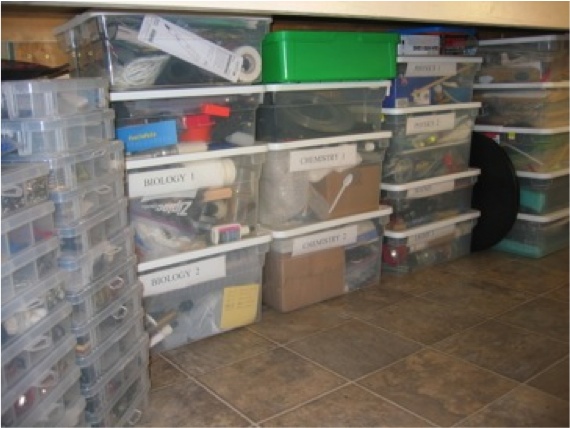
How many containers do you need to fill a science program? Peculiar question, huh? Perhaps I should ask: How many weekends does it take to fill your science program containers?
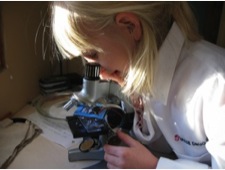
By this time of year you will likely have developed a pattern or routine in your home-school day to accomplish your selected program of studies. Your children engage themselves with the various subjects that you assign them, most often with the help of a text book or other written resource. Depending on your child’s age and ability, the reading in these books may be done by your child, or you may be the one to read and explain the material to your eager learner.
By this time of year you will likely have developed a pattern or routine in your home-school day to accomplish your selected program of studies. Your children engage themselves with the various subjects that you assign them, most often with the help of a text book or other written resource. Depending on your child’s age and ability, the reading in these books may be done by your child, or you may be the one to read and explain the material to your eager learner.
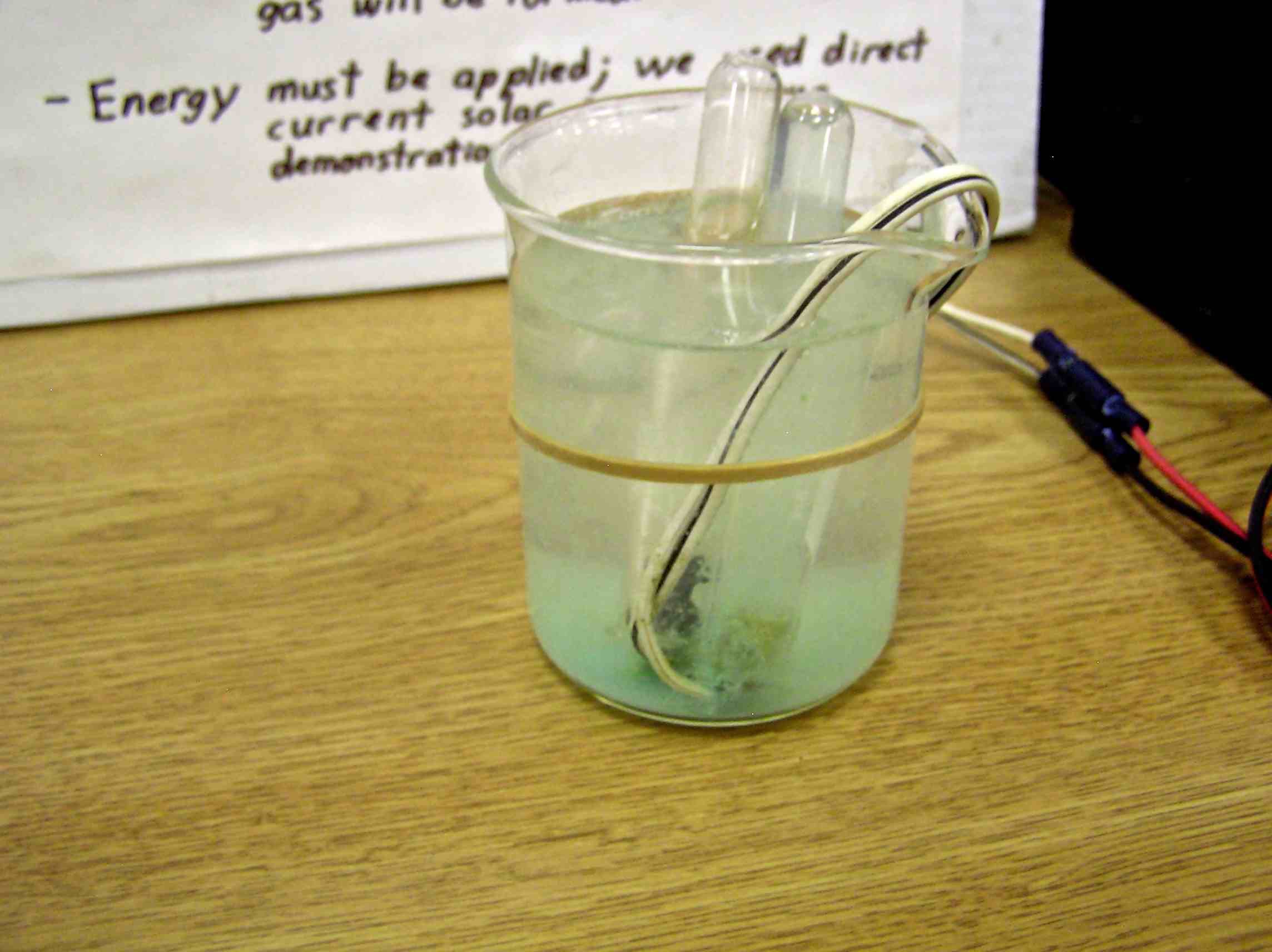
“Science, science, science…” Those were the words of advice expressed to me, by a home-school mom, in answer to a question about what to focus on in the primary years of home schooling.
When we think of science, what usually comes to mind are subjects in the areas of biology, chemistry, or physics. What does the word ‘science’ mean? The word ‘science’ comes from the Latin word scientia, which means knowledge – to know. Science could be summed up as that process by which we seek to know and understand the deeply intricate things of all that we see (and can’t see) around us.
When Gayle and I began the journey of home educating our children, I applied my efforts to seeking out useful science resources. Since science was my interest and strong point, Gayle welcomed my initiatives. We were encouraged by a friend to add a lot of science to the children’s learning – especially in the primary grades. So, we set off to find books that could help us bring science to life in the minds of our young children.

Building a science display takes time. The process of building the display also takes up a lot of room and can disrupt the pattern of daily schedules for a number of weeks. What is the value of a science display, considering that you might only display it once? I suppose that if you view a science display as an ‘extra’ – a thing that you have to go out of your way to do – then its value may equal that of an increased burden. Alternately, if you view a science display as an assembly of summarized learning, together with supporting devices, then its value becomes… invaluable!