Pages
Jump to: Local Grad Connections Dance WISDOM Magazine Feature Gear for Grads Grad Signs

Local Grad Connections
Register here to network with other WISDOM grads in your area! We will connect you so you can discuss potential options for joining together to celebrate in your own region.
Honorary Graduation Dance

In honour of WISDOM's Graduates of 2026, a Honourary Graduation Dance will take place in Spruce Grove on May 30. Join us for a 5pm potluck dinner, followed by a 6:30pm ballroom dance (instruction included)!
Note, this is not a formal graduation ceremony, but an opportunity to gather with other families and graduates, to dress up in (modest) semi-formal to formal attire, and to learn and practice some basic ballroom dance steps.
WISDOM 2026 Graduates and your immediate families are invited to attend, free of charge! Please register as soon as possible, as space is limited.
WISDOM Magazine Feature
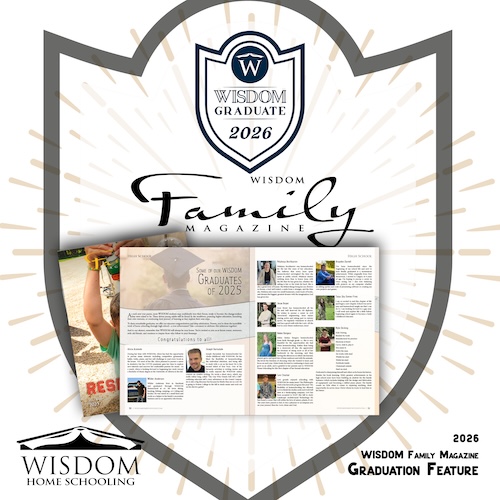
Grads, may we feature you in the magazine?
The July WISDOM Family magazine will include photos and short bios from as many of of our graduates as possible. Send these to magazine@wisdomhomeschooling.com by May 20. Submissions may be edited for clarity or length.
If we do not hear from you, you will not be listed.
Gear for Grads
 Celebrate your 2026 grad with a customized WISDOM Grad Hoodie! Choose from myriad of colour options (more, even, than pictured here), all with a this year's grad emblem on the front and the option of your grad's first name embroidered on the sleeve.
Because the hoodies are a special order, please order by May 15 so we can send them out to you as soon as possible: by the end of June or early July.
Always remember your graduation year with a lovely tassel. Gold-tone die-cast charms represent your home schooling program and your grad year: one is embossed with the WISDOM logo, and the other is a die-cast 2026.
Grad Signs
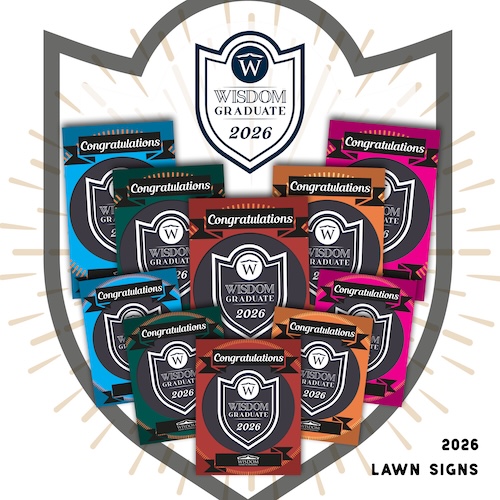
Celebrate your graduate by printing and displaying one of the posters below. You might put it in a window, on your lawn, or even in your vehicle. Shout it from the rooftops! Your grad is special; let's tell everyone!
Now available through Alberta Health (AHS) Pediatric Rehabilitation Services for children from birth to 18 years of age.
- Audiologists
- Speech Language Pathologists
- Occupational Therapists
and other services.
See here for more information and eligibility: https://www.albertahealthservices.ca/info/Page16633.aspx
Conference Details Register Now Presenters Exhibitors Resources Schedule
This schedule subject to change.
Friday – Discover your interests
Registration at 8:00-9:00 Check in (for pre registered and new registrations) at Spruce Grove Alliance Church. Coffee, tea and icebreakers.
8:30 Icebreakers.
9:00 Door Prize - You need to be in your seat to win!
9:05 Welcome and Announcements
9:15 Keynote: Ignite Your Potential - Joshua Peachment
To kick off the conference, Joshua will get us started by discussing the importance of finding and igniting your potential. The talk will start with a discussion on building the foundation for your life journey before diving into one of the most powerful methods for igniting your potential: education. We’ll discuss the many forms of education, and how they can ultimately help you become the best version of yourself.
10:15 Break
10:45 Facilitator Panel: Ignite your Potential
Facilitators will discuss ways to ignite a student's potential and achieve their best in any chosen path through high school.
11:45 Lunch
12:55 Door Prize
1:00 Trades, Post Secondary, or Entrepreneurship - which direction are you going?
1:30 Breakouts 45 mins + QA
Trades - Joe Laurence
Who is a trade?
What is a trade?
Where is a trade?
When is a trade?
Why is a trade?
How is a trade?
Pipefitter & Plumber Joe Laurence will attempt to answer all these questions.
Post Secondary - Approaching Post-Secondary with Intentionality - Joshua Peachment
We all know how expensive the world is these days, and education is no different. In this breakout session, Joshua will discuss the topic of post-secondary education and the most effective way for going about it: with intentionality. This discussion will begin by reviewing the diverse range of study options and how important it is to have a strong plan before entering your chosen school. Next, we will go over how your chosen field of study will affect your high school education, before finishing with an overview of the many ways for funding your post-secondary education, the pros and cons of each option, and how to salvage an education that has gone off the rails.
Entrepreneurship - Jana Boyko
In this workshop, Jana Boyko will share how she turned an idea into a successful business and what she wished she had known when she was starting out. Drawing from her experience building Bedside Business Plan and launching it nationally with Indigo, Jana will offer practical guidance on getting started, testing ideas, and learning through action. By the end of the session, you'll come away with a clearer understanding of what entrepreneurship can look like and the confidence to begin exploring your own business ideas.
2:30 Initiative - How to be self-directed in learning with a growth mindset. - Therese McDonald
Self-change needs initiative and a desire for growth. Join Therese as she elaborates on the qualities of the self-directed learner and breaks down what practical ways young people can embrace taking more responsibility in their studies, behaviour, and life. How does having a growth mindset change outcomes? Where does motivation and initiative come from and how can solid progress be made? Are you ready for more?
3:15 Breakouts - High School Paths
- AB Diploma
- Credits for Core Course
- Planning Your High School without Credits
- Building a Portfolio
- Entering the Workforce
4:30 Keynote: Starting Your Financial Journey on the Right Foot - Joshua Peachment
As much as we don’t like to talk about it, a vital aspect of entering the adult world involves money. Budgeting, bill paying, and saving for the future are all important to finding success as an adult, and the best time to get started on this is now. In this discussion, Joshua will break down what sensible budgeting looks like, how to prioritize saving while paying bills and navigating debts, before breaking into a topic most don’t even consider; saving for long-term goals.
5:00 Break for Supper
6:30 Doors open
7:00 Evening Sessions
Adults | Cardus Research - Catharine Kavanagh
Homeschooling is one of the most stereotyped phenomena in society, with its students frequently branded either as geniuses, or as socially awkward individuals. Luckily, Cardus has actual data on the outcomes of homeschooled students in their adult years. Drawing on the flagship Cardus Education Survey, we will look at the strengths and weaknesses of homeschooling as it pertains to educational attainment, career achievement and trends, civic participation, mental health and well-being, and faith formation. Through analysis of multiple years of data and sub-categories of homeschoolers, we can see the types of individuals, neighbours, friends, citizens, and family members that homeschoolers grow up to be.
Youth | Embracing Growth & Creating a Personal Rule of Life to Ignite your Potential - Nicholas Pierlot
Lasting success in life is built through intentional habits, self-knowledge, and a willingness to grow. One of the most effective ways to cultivate these is by developing a personal rule of life—a practical framework for ordering time, priorities, and daily choices in a way that fosters discipline, freedom, and long-term growth. This session will also explore the importance of self-awareness in decision-making as well as the value of a growth mindset: learning to see challenges, failure, and sustained effort as essential tools for developing new skills, character, and confidence for life beyond school.
Closing at 9:30
Saturday – Find out how to follow your path
8:00-9:00 Check in for pre-registered and new registrations; Coffee & tea
8:30 Icebreakers
9:00 Door Prize
9:05 Welcome and Announcements
9:15 Keynote: Finding a Career Path to be Excited About - Joshua Peachment
While education is important for finding success in life, no less important is finding a career path you can be excited and passionate about. In this talk, Joshua will approach the topic of working the 9-5 job while still maintaining excitement for both your work and the future as you build towards a bigger, better tomorrow. To accomplish this, this talk will discuss goal setting and developing a growth mindset while keeping expectations proper for the type of work and the expected career trajectory such work will bring.
10:15 Post-Secondary & Employment Opportunities - ONE Minute “How can homeschoolers enter your institution?
11:20 Exhibit Hall opens
12:30 Lunch
2:00 Exhibit Hall closes
2:10 Door Prize
2:15 Panel/Round-Table Discussion with Home Schooled Grads, Parents, Experts
3:15 Keynote: Don’t Forget to Be Interesting While You’re Busy Being an Adult - Joshua Peachment
To wrap up the conference, Joshua will focus on life beyond work and education and discuss how important it is to be interesting as an adult. The formula to being an interesting adult relies on three specific concepts: Be Well Read, Be Well Travelled, and Be Well Experienced. In our closing keynote, Joshua will break down each one and how you can use them to become an interesting adult and ultimately ignite your potential.
4:15 Closing remarks
Conference Details Register Now Presenters Exhibitors Resources Schedule
Joshua Peachment
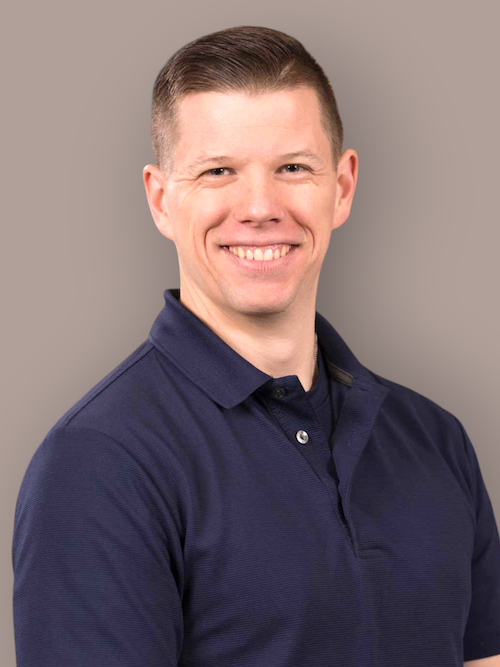 As an alumnus of WISDOM Home Schooling, Joshua Peachment is well acquainted with both the opportunities and the challenges of home schooling. Upon graduating from high school, Joshua went on to complete a BA in Philosophy from the University of Alberta and later a BAA in Criminal Justice from Lethbridge Polytechnic. In and around his studies and plotting his career path, Joshua found the time to travel as much as he could, with a current tally of 25 different countries across 7 continents.
Joshua now serves as the head of training and program development for the Alberta Sheriffs Branch dispatch unit and regularly gives presentations to members across the Branch. Joshua has been published in two student publications through Red Deer Polytechnic and has just finished his first major work, Actually Awesome: Mastering Modern Adult Life, a book on surviving the world of early adulthood. When not in the office or feverishly writing his next book, Joshua enjoys spending time with his wife Aaryn, three young sons, and endlessly working on the house.
Jana Boyko
Jana Boyko is an entrepreneur, speaker, and author inspiring entrepreneurs across North America and beyond. In the last decade, Jana has worked with over 100 brands and businesses from the very small to the very big. She is the founder of All of Her Business, a private coaching practice dedicated to holistically supporting women in their transition from employee to entrepreneur. She is also the author of Bedside Business Plan, a guided journal for aspiring entrepreneurs, which has climbed to national success since launching with Indigo in 2022 and being named a Staff Pick in January 2023. Jana's body of work is dedicated to helping people expand into their highest potential while building businesses in ways that are both sustainable and life-giving. She has been featured as an expert on CBC, Breakfast Television, and The Eyeopener, in addition to delivering a number of important talks at organizations and institutions like Elate Cosmetics, the University of Calgary, and Royal Roads University.
Therese McDonald
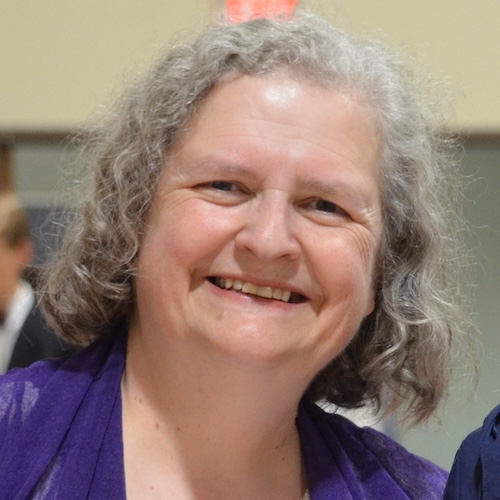 Therese McDonald has spent over 30 years helping marriages, family life, and home schoolers to thrive. She has walked with parents, offering guidance during challenging times, bringing them to deeper connection and family attachment. Therese offers tools and solutions, including those available through the Mediated Learning method, and equips parents in their calling to make good choices as the primary teachers in the home. Therese has recently returned to working with WISDOM in the area of special needs and unique learners. She proclaims with energy that the home schooling lifestyle is the finest way of living and that it produces amazing and lasting fruits.
Joe Laurence
 Alberta proud tradesman for 25 years in plumbing and gas fitting, as well as a trades instructor in gas fitting for 8 years. Joe is also a musician and songwriter. He and his wife Janice have been married for 32 years and have 10 kids and 11 grandkids. They have been home schooling with WISDOM for 25 years.
Catharine Kavanagh — Cardus Research
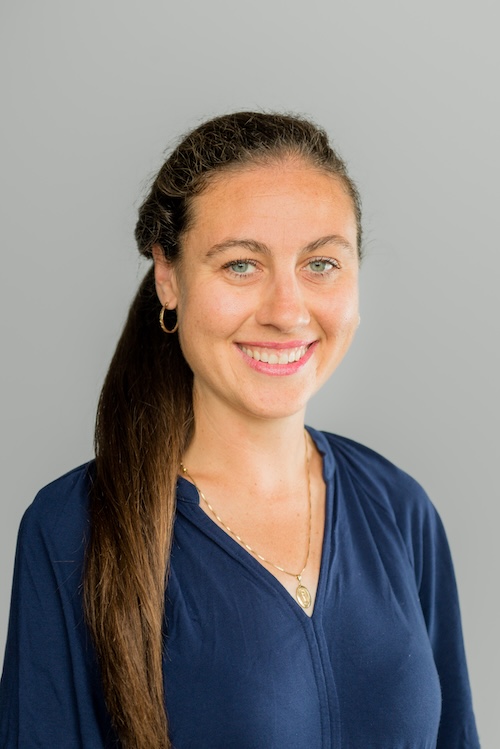 Based in Calgary, Catharine works to advance greater diversity and pluralism in provincial education and child care systems. She holds an honours BA in political science from the University of Calgary and previously worked in policy development and analysis, primarily in the areas of agriculture, family and social policy, and Canadian heritage. Catharine has also worked in multicultural outreach and on numerous other grassroots initiatives. She was home schooled for half of her own K-12 years and is deeply appreciative of both the education and the other real-life learning opportunities it provided her.
Nick Pierlot — Speaker for Youth on The Rule of Life
 Nicholas Pierlot is the Director of Formation at St. Therese Institute of Faith and Mission. Dedicated to teaching the truth of Christian life, he is most interested in the intersection of faith and culture, philosophy, and the Gospel. Born and raised in Eastern Canada, Nick completed his BA in Religious Studies from the University of Prince Edward Island and his MA in Catholic Applied Theology through the Maryvale Institute in Birmingham, England. His greatest joy is his family, and he is happily married to his wife, Denise. They have one daughter and three sons. In his spare time, Nick loves reading literature, listening to podcasts, smoking a pipe, baking sourdough bread, and the odd board game with friends.

Mental health resources are now available to home schoolers! Open Parachute was initially developed for use in schools, but they partnered with AISCA and home schooling stakeholders (including WISDOM) to create a format that puts parents totally in the driver's seat for their children. You create an account and choose which modules to have your child work through.
Click here to read what home schooling parents have to say about Open Parachute.
Watch the introductory video below, then select 'registration for home education families' and follow the prompts.
Registration for Home Education Families

For a longer introduction, check out this 30 minute information session from AISCA:
Registration for Home Education Families

Effective entrance exams and assessments designed specifically with home education in mind.
The Classic Learning Test (CLT) is a post-secondary entrance exam, created as an alternative to the SAT and recognized at many post-secondary institutions across the United States, and a growing number in Canada.
In addition to the college entrance exam, the folks at CLT have created the CLT3-8 assessments for grades 3 through 8 and the CLT10, a college preparatory exam for grades 9 and 10. These tests focus on numeracy and literacy, and can be a useful evaluation tool, and one that can be conveniently accessed from home.
WISDOM only charges a processing fee of $10 for each CLT exam a WISDOM student takes.

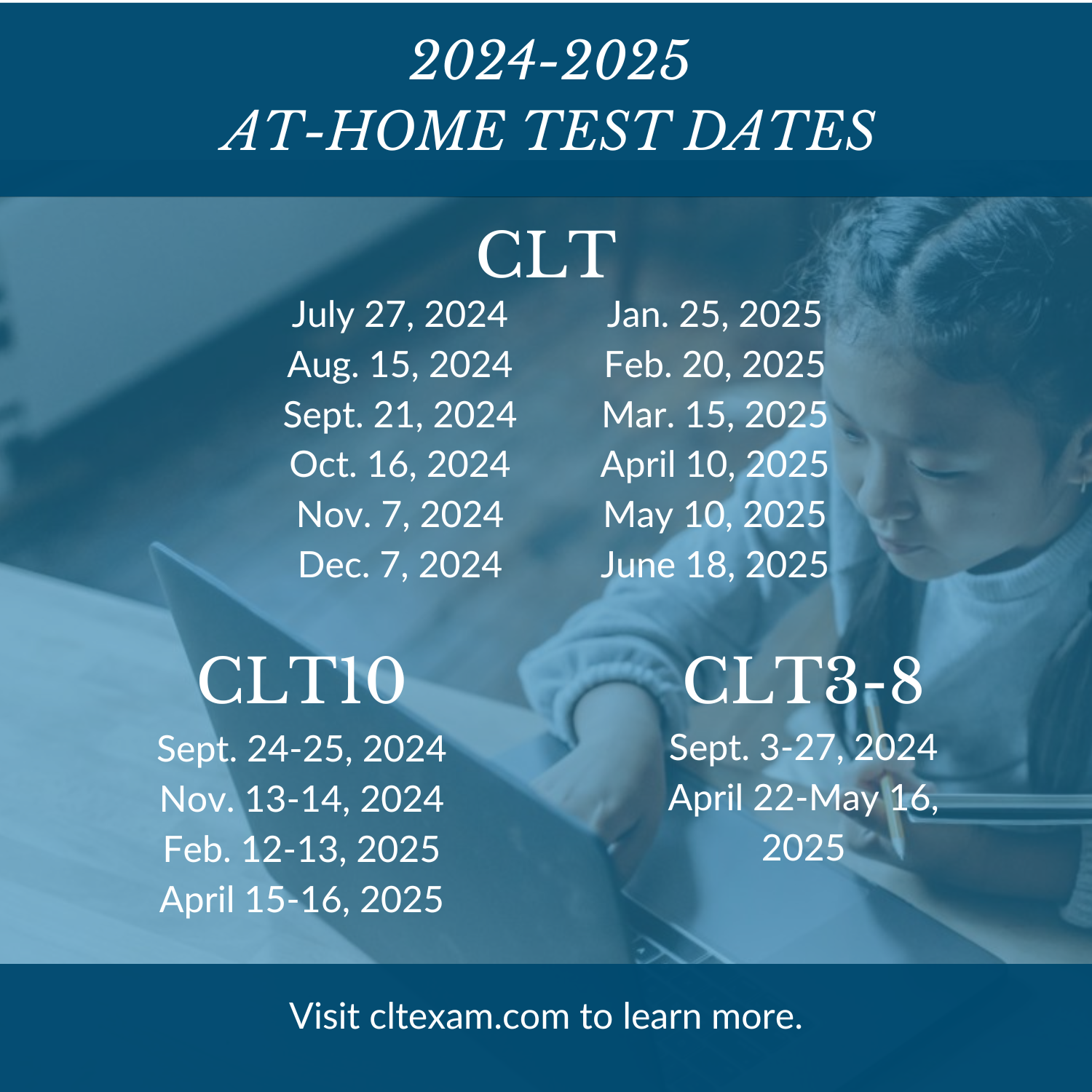
Better tests, better students
The CLT exams are user-friendly and provide a rigorous measure of academic formation, accomplishment, and potential. CLT provides a new standard that puts students in front of the thinkers and questions that have most meaningfully shaped culture.
- Take the test from the comfort and safety of your home
- Provides parents with a worthwhile teaching resource
- Assesses both aptitude and achievement
- Delivers more rigorous content than other standardized tests
- Utilizes meaningful and timeless primary sources
- Promotes critical thinking and higher-level analysis
- Exams take approximately 2 hours to complete
- Exams assess English, mathematical, and critical reasoning skills
- Millions in scholarship dollars available with CLT partner colleges
Assessments worthy of a student's time and attention
The CLT Suite of Assessments are the only exams that are taken at home, online, and designed with homeschoolers in mind. They are user-friendly and accurate—not only can they be taken online at home and completed in two hours, they also provide a rigorous measure of academic formation, accomplishment, and potential. CLT provides a new standard that puts students in front of the thinkers and questions that have most meaningfully shaped culture. In addition, a student's overall score on the CLT is calculated based on the total number of questions answered correctly. No points are deducted for incorrect answers.
Accepted at 250+ partner colleges
CLT is partnered with over 250 colleges and universities, including Trinity Western University, Redeemer University College, Our Lady Seat of Wisdom College, Catholic Pacific College, Wyoming Catholic College, Thomas Aquinas College, and many more. Plus, with CLT's unlimited free score sharing, students can share their score with any college and university in the world.
CLT & CLT10 Practice Tests
CLT offers free practice tests that can help students better prepare to take the real CLT exam. The benefits of practice tests include:
- Online Tests – Take the practice test using the same experience and content structure used for the CLT and CLT10.
- Immediate Results – View your practice test score as well as the results for each question.
- Answer Explanations – Review the explanation for each practice question to improve your performance.
Lock Down Browsers
To protect the integrity of the CLT and CLT10 and ensure a fair testing experience for all students, CLT utilizes a secure LockDown browser. The LockDown browser is required for the remotely proctored CLT and the remotely proctored CLT10.
To learn more about CLT's LockDown Browser and how to install it, click here.
This simple tool will help prevent cheating and ensure that every score truly reflects a student’s own ability. It’s an important step in maintaining the high standards that make the CLT and CLT10 trusted, respected assessments—while still keeping things smooth and stress-free for schools and families.
CLT FAQs
Why Another Exam?
Classic Learning Test was formed in 2015 when their founder, Jeremy Tate, began to question why students needed to spend so much time preparing for a college entrance exam (SAT/ACT) that did not reflect the deep, holistic education they were receiving in homeschool or private schools.
SAT and ACT are both aligned with Common Core and reflect a public school education. The passages used on the exams are from sources primarily written within the last 10 years, removing any vestiges of the Christian intellectual tradition. They do not allow students who have read widely and pursued truth and reason to showcase their real strengths. CLT was birthed out of a desire to provide a test aligned to an education that emphasizes the connection between knowledge and virtue and can highlight the strengths of these students.
What started as a college entrance exam has grown into a suite of assessments for 3rd - 12th graders. The CLT suite of assessments assesses foundational educational concepts in language arts and mathematics with an emphasis on critical thinking and logic throughout the exams. The exams feature Great Books content that is primarily drawn from CLT’s Author Bank.
All CLT assessments can be taken online at home. The CLT3-8 (3rd-8th grade) and the CLT10 (9th-10th grade) are proctored by parents. The CLT (college entrance exam) is remotely proctored to uphold the standards required by college partners. Each exam takes approximately 2 hours.
Why should my family use CLT?
The CLT suite of assessments provides Student Analytics on each exam that can help families strengthen the quality of their education. It’s not about simply improving on a test. The goal is to maximize your student’s education.
Additionally, the CLT suite of assessments provides students with experience taking standardized exams in a familiar environment. The content of the exams is well aligned with your style of education; therefore, the time spent testing is meaningful due to the Great Books content and challenging mathematical reasoning questions. Plus, the feedback provided is well-aligned to the education you are providing your students.
How does CLT offer greater flexibility with testing?
- CLT3-8 are offered during a four-week testing window twice a year, once in the fall and once in the spring.
- The CLT10 is offered four times each year.
- The CLT is offered twelve times per year.
- Students test at their preferred time of day (not all students perform best early in the morning!) Score shares (CLT10 and CLT) are free and unlimited, and students do not opt into sharing scores until they view them. All CLT’s are taken at home. CLT3-8 and CLT10 are parent proctored tests, while CLT is remotely proctored. Please click here for remote proctoring information and preparation guides
When should students test with CLT?
CLT currently has exams for 3rd-12th grade students. Most families test once in the fall to set a baseline for the year and again in the spring to get end-of-year results to assess what their student has accomplished over the year.
Should students prep for the CLT?
An education that emphasizes reading, discussion, mathematics, and critical thinking is the best preparation for the CLT. The CLT is designed to reflect a robust education; however, most homeschooled students are not accustomed to multiple choice or timed tests. Students may feel more confident if they have some experience prior to taking an official exam. For this reason, CLT provides free online practice exams with full answer explanations for CLT10 and CLT on the student dashboard. A CLT Student Guide is available for purchase for those seeking additional practice.
For the CLT3-8 exams (3rd-8th grade), preparation is not recommended as these exams are intended to be a benchmark that provides feedback to parents about their students’ strengths and areas for improvement. Families are welcome to explore the functionality of the exam by viewing the demo CLT3 exam on this page, though students should understand that the content varies in difficulty according to grade level.
Is the CLT accepted by all colleges?
Though the CLT is not accepted by all colleges, over two hundred colleges partner with CLT, accepting the exam as a complete replacement of the ACT or SAT. Additionally, with many colleges going test-optional, even colleges who do not partner with CLT will accept CLT scores.
Sharing your scores is a great way to strengthen your application even if they are not required. CLT Partner Colleges tend to be private, liberal arts, or faith-based colleges which share their mission to reconnect knowledge and virtue in the classroom.
Can I earn scholarships with CLT?
Many colleges offer scholarships tied to CLT scores. You may view a list of scholarship opportunities with CLT Partner Colleges by clicking here.
Should I take the CLT if I have already taken/plan to take the ACT/SAT?
If you are planning to attend a CLT Partner College, sending CLT scores to those colleges demonstrates that you are a student who is well-prepared for their academics. CLT Partner Colleges have noted that CLT students do very well in their classes, so these colleges often respond with excited interest and generous scholarships to CLT scores. Additionally, many homeschooled students find they perform better on the CLT than the ACT/SAT. Even if you are not planning to attend a CLT Partner College, the Student Analytics that accompany each test give invaluable insight into your education, highlighting your strengths and areas for improvement.
What if the college I want to attend does not accept the CLT?
CLT is diligently working to earn greater acceptance, particularly with colleges that value a liberal arts education. They add new colleges to our partner list routinely, but the most effective way of adding new partners is for colleges to hear from students they want to use their CLT scores.
If you're interested in applying to a college that isn't currently a CLT Partner, don't be discouraged. Call the college or university of interest and ask to speak with an admissions representative. Explain what CLT is, why you want to use CLT in the admissions process, and why they should consider your scores. You can share that the CLT best reflects your education and demonstrates your academic excellence. This is a great way to connect with a college and to help CLT gain wider recognition. There have been many cases where these kinds of conversations have led to a new CLT college partnership.
Are there testing accommodations available for CLT?
Yes, Students with documented learning disabilities may apply for testing accommodations. Testing accommodations are adaptations to an exam that can help ensure that the test measures what it is designed to measure, rather than the negative effects of a person’s disability. The purpose of testing accommodations is to provide candidates with full access to the test – not to guarantee improved performance, a passing score, test completion, or any other specific outcome.
Please click here for more information and applications for testing accommodations.
Conference Details Register Now Presenters Exhibitors Resources Schedule
Jump to: Post-Secondary Employment Opportunities And More
Post-Secondary





%20PNG.png)
















Employment Opportunities




And More

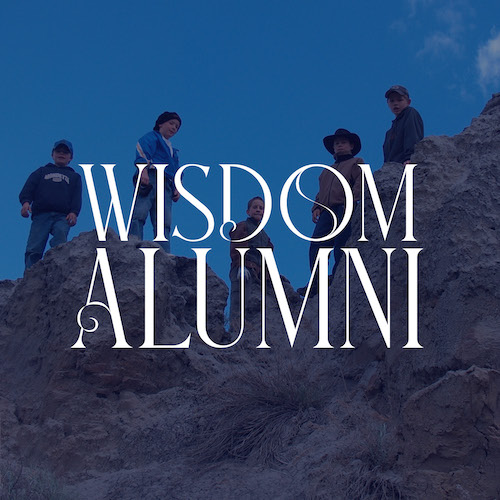
Welcome to the WISDOM Alumni Association!
Home educated students (and their parents) have been graduating from the WISDOM community since 1995, and it's time to start to get all of us together.
If you are a graduated WISDOM student or 'graduated' WISDOM parent who has completed your years of home education with WISDOM, we invite you to join our alumni association.
Request to join our mailing list for upcoming information on the official association, potential volunteer positions, a proposed alumni newsletter, and most excitingly, future alumni events.
Purpose of the WISDOM Alumni Association
- Honour – WISDOM exists because you home schooled
- Share the benefits of home schooling
- attract new home schoolers
- encourage parents in the trenches by seeing the potential for their children
- encourage high school students to stay the course at home
- convince government, industry, media, via examples of life
- Peer support for each other
- reflect on your home schooling journey
- re-acquaint with home schoolers you knew
- share common experiences from your era
- support like-minded people during difficulties

“How do I get into a university or college?” “What do I need to get a job?” “How do I show that I’ve had a good high school education through home schooling?” These are common questions that arise when considering high school at home.
Home educated students can take many paths through high school, with differing types of final credentials. A student might consider one or several of the options presented below.
Always research the sort of credentials you will need in the future, in order to assist in planning out a high school education that will meet your individual needs and goals. Your facilitator and our high school advisor are available to assist you in planning a path forward, and choosing an option that best suits your unique education.
Potential credentials a student might consider include (click on any for more information):
- High School Portfolio
- Parent Verified & School Certified Transcript of High School Marks
- WISDOM Diploma or Certificate of High School Completion
- CLT (Classic Learning Test)
- CAEC (Canadian Adult Education Credential)
- SAT (Scholastic Assessment Test)
- ACT (American College Testing)
- Post-Secondary Entrance Exams (specific to the institution)
- Alberta High School Credits & Transcript
- Alberta High School Diploma
High School Portfolio
Portfolios continue to be a strong credential for home educated students. Having a document that says the student has acquired specific knowledge and skills is good, but a portfolio will show how that student has acquired specific knowledge and skills.
WISDOM strongly recommends that every student develop a high school portfolio. There are benefits to having a portfolio in conjunction with any other credential you pursue.
For more information on creating a portfolio, click here.
Benefits:
- Accepted by some post-secondary institutions with an interview.
- Accepted by many employers
- Offers support to any other credential obtained.
- Specific record of the individual student’s work and skills
Limitations:
- Insufficient evidence for some institutions
- Insufficient for some employers
Parent Verified & School Certified Transcript of High School Marks
A Parent Verified Transcript (or Summary of High School Marks / Home Education Record) is an official document containing a table of subjects with corresponding marks or grades of the student’s high school year, as verified by the parents.
This provides parents and students with a personal record of high school achievement which can be used with various post secondary institutions or businesses that require a transcript of high school marks.
Benefits:
- Indicates completion of High School and readiness to enter the adult world
- Specific record of the individual student’s work on a student transcript
- Accepted by some post-secondary institutions
- Accepted by many employers
Limitations:
- Insufficient evidence for some institutions
- Insufficient for some employers
WISDOM Diploma or Certificate of High School Completion
Each home education student who successfully completes high school at home will have achieved the learning outcomes as determined by the parents and approved by the WISDOM facilitator. This student qualifies to receive a WISDOM diploma or a parent authorized Certificate of High School Completion which is an official recognition of high school completion.
Benefits:
- Indicates completion of High School and readiness to enter the adult world
- Accepted by some post-secondary institutions
- Accepted by many employers
Limitations:
- Insufficient evidence for some institutions
- Insufficient for some employers
CLT (Classic Learning Test)
CLT offers assessment tests that suit traditional home educated students. Featuring passages selected from great works across a variety of disciplines, the CLT suite of assessments provide a highly accurate and rigorous measure of reasoning, aptitude, and academic formation for students from diverse educational backgrounds. The exams are taken online in two to three hours.
The CLT provides colleges and secondary schools with detailed information about student learning trends to facilitate decisions about admissions, curricula, and instruction. The CLT3-CLT10 may be used in grades 3-10 to measure student progress, and the CLT in grades 11-12 as a college entrance exam. A number of post-secondary institutions offer scholarships to students who use the CLT. WISDOM students receive a special discount on CLT test fees.
Click here to view test dates and register for CLT tests
Benefits:
- Access to many colleges and universities
- Potential consideration for specific scholarships
- Provides comprehensive student assessment
- Tests are designed with homeschoolers in mind
- Tests are taken at home at a time chosen by family
- Tests are discounted for WISDOM students
Limitations:
- May not allow direct access to the program you have selected; additional research is required
CAEC (Canadian Adult Education Credential
The Canadian Adult Education Credential (or CAEC) is a high school equivalency diploma in Canada for those who do not have a high school diploma and are seeking access to employment prospects, education pathways such as trades programs, and training opportunities. Students should confirm directly with prospective employers, post-secondary institutions and others that the CAEC meets their job or admission requirements. CAEC tests can be taken over an extended period of time, and results never expire. Each test generally costs 75$ for a total of $375 for all 5 tests.
In order to determine basic high school equivalency, the CAEC battery of 5 tests includes:
- Reading
- Writing
- Science
- Social Studies
- Mathematics (Part I and Part II)
Registration
To write a CAEC test, you will need to create a profile within the CAEC digital platform.
On this platform, you can schedule a test at a testing centre of your choice and pay fees.Testing centres can provide more information about registration deadlines, fees and test dates.
Please use the links below to access more information on writing centres, general information, practice tests, study materials, and test previews.
CAEC Digital Platform Alberta Testing Centres
Eligibility:
To receive a High School Equivalency Diploma by writing CAEC tests, a person must meet the following eligibility requirements:
- Be 18 years of age or older.*
- Have been out of school for at least 10 consecutive months.*
- Have an Alberta Student Number.
- Must provide two forms of valid identification (ID) at the time of testing.
- Pass all five tests in the CAEC test battery, with a minimum passing score of 55% or higher for each of the tests.
*Pre-Adult CAEC Registration
The CAEC is meant for mature students and adults, however, a 17 year old student still in school can take the CAEC prior to graduation, providing that they have less than 80 credits awarded for high school courses. To take the test at 17, please reach out to WISDOM for guidance.
Benefits:
- Access to trade schools and college programs
- You may achieve the diploma while using supplemented home education curriculum
Limitations:
- May not allow direct access to University
- Time spent fulfilling requirements & writing provincial exams
SAT (Scholastic Assessment Test)
The purpose of the SAT is to measure a high school student's readiness for college, and to provide colleges with one common data point that can be used to compare all applicants. Used primarily for American colleges and universities, it is also accepted at most Canadian institutions.
Benefits:
- Access to many colleges and universities
- Potential consideration for specific scholarships
- Free digital SAT prep resources available through Khan Academy
Limitations:
- SAT tests offered in limited locations (Click here for more info)
- May not allow direct access to the program you have selected; additional research is required
ACT (American College Testing)
The ACT is the leading U.S. university admissions test, measuring what students learn in high school to determine academic readiness for university. It may be used for access to American programs, as well as over 200 additional institutions worldwide.
Benefits:
- Access to many colleges and universities
- Potential consideration for specific scholarships
Limitations:
- May not allow direct access to the program you have selected; additional research is required
Post-Secondary Entrance Exams
Many programs and post-secondary institutions have their own entrance exams for student admission. This can be a good option for home educated students who have followed a unique education suited to their needs, but do not have specific provincial course credits for admission requirements. Speak with an admissions coordinator of the institution of your choice to see if this is an option.
Benefits:
- Access to many colleges and universities
- Allows access to some institutions while having followed a unique home education program
Limitations:
- Entrance exams are specific to the institution they are taken in. These generally will not grant access to other institutions.
- May not allow direct access to the program you have selected; additional research is required.
- Not every institution has entrance exams; additional research is required.
Alberta High School Credits & Transcript
Alberta transcripts are used to enter post-secondary programs that require select
course marks. To gain Alberta high school credits in home education, students will need to participate in course challenges and/or gain waived prerequisite credits.
- Meet course requirements using your own home school program or Alberta Education materials.
- Work with the Subject Specialist or your Facilitator to achieve the requirements of the course. Evaluation is completed using portfolio, oral evaluation or a final exam to arrive at the school-based mark for each course being challenged.
- WISDOM registers the school-based mark and credits with AB Education.
- Student writes the Alberta Diploma exam, worth 30% of the final mark.
- The combined final mark and credits appear on the student’s AB Education transcript.
Alternative Option: Student can take up to 10 credits per year through a distance education provider rather than have the parent deliver the course. Click here for more information.
Benefits:
- Accepted by all universities and many colleges
- Use your own teaching methods and resources
- Receive Alberta credit for skills and knowledge
Limitations:
- Some trade or technical schools require an AB Diploma (ironically requiring less rigour but more detail)
- Home school resources often need to be supplemented
- Demonstrating achievement for AB Ed outcomes may leave less time for the student's other passions
Alberta High School Diploma
Students in home education have the option of obtaining the Alberta High School Diploma by achieving certain Alberta High School Credits. For this option, students will need to speak with their facilitator as early as possible and plan a course load so as to complete the following, with a minimum of 100 credits:
- English 30-1 or 30-2 (or Français 30-1 or 30-2)
- Social Studies 30-1 or 30-2
- Mathematics 20-1, 20-2, or 20-3
- Science 20 or 24, or Biology 20 or Chemistry 20 or Physics 20
- Physical Education 10 (at least 3 credits)
- Career and Life Management (at least 3 credits)
- 10 credits from CTS courses or Fine Arts, or second languages, or Phys Ed 20 or 30, or the Registered Apprenticeship Program (RAP currently not available to home educated students)
- Knowledge and Employability
- 10 credits in any additional 30-level courses.
- Write AB Diploma exams for a minimum of English 30 and Social Studies 30.
To gain Alberta high school credits in home education, students will need to participate in course challenges and/or gain waived prerequisite credits, and/or take distance education courses through a school. If the student is 19 as of September 1, you may choose the Mature Student option of challenging Diploma exams, worth 100% of the final mark.
Benefits:
- Access to trade schools and college programs
- You may achieve the diploma while using supplemented home education curriculum
- Accepted by many employers
Limitations:
- May not allow direct access to University
- Time spent fulfilling requirements & writing provincial exams